
Case Study: AI Structural Vision’s Impact on Walton County High-Rises


Introduction to AI Structural Vision
In recent years, the integration of artificial intelligence in structural engineering has transformed the way we approach building safety and maintenance. AI Structural Vision has become a pivotal tool in assessing the integrity of high-rise buildings, providing a digital eye that enhances human capabilities.
One of the most compelling examples of this technology in action is in Walton County, where a series of high-rise buildings have benefited from AI-driven insights. This case study examines how AI Structural Vision has impacted these structures, leading to improved safety and efficiency.

The Role of AI in Structural Analysis
AI Structural Vision employs advanced algorithms to analyze visual data collected through drones and stationary cameras. This data is processed to identify potential weaknesses or damages that may not be visible to the naked eye.
By utilizing machine learning, the system can recognize patterns and predict potential structural failures before they occur. This proactive approach is crucial for maintaining the integrity of high-rise buildings, particularly in areas prone to environmental stressors like Walton County.
Benefits of AI Structural Vision
The implementation of AI Structural Vision in Walton County high-rises has led to several significant benefits:
- Enhanced Safety: Early detection of structural issues reduces the risk of accidents.
- Cost Efficiency: Preventative maintenance is more cost-effective than extensive repairs.
- Time Savings: Automated analyses are faster than manual inspections.
Real-World Applications in Walton County
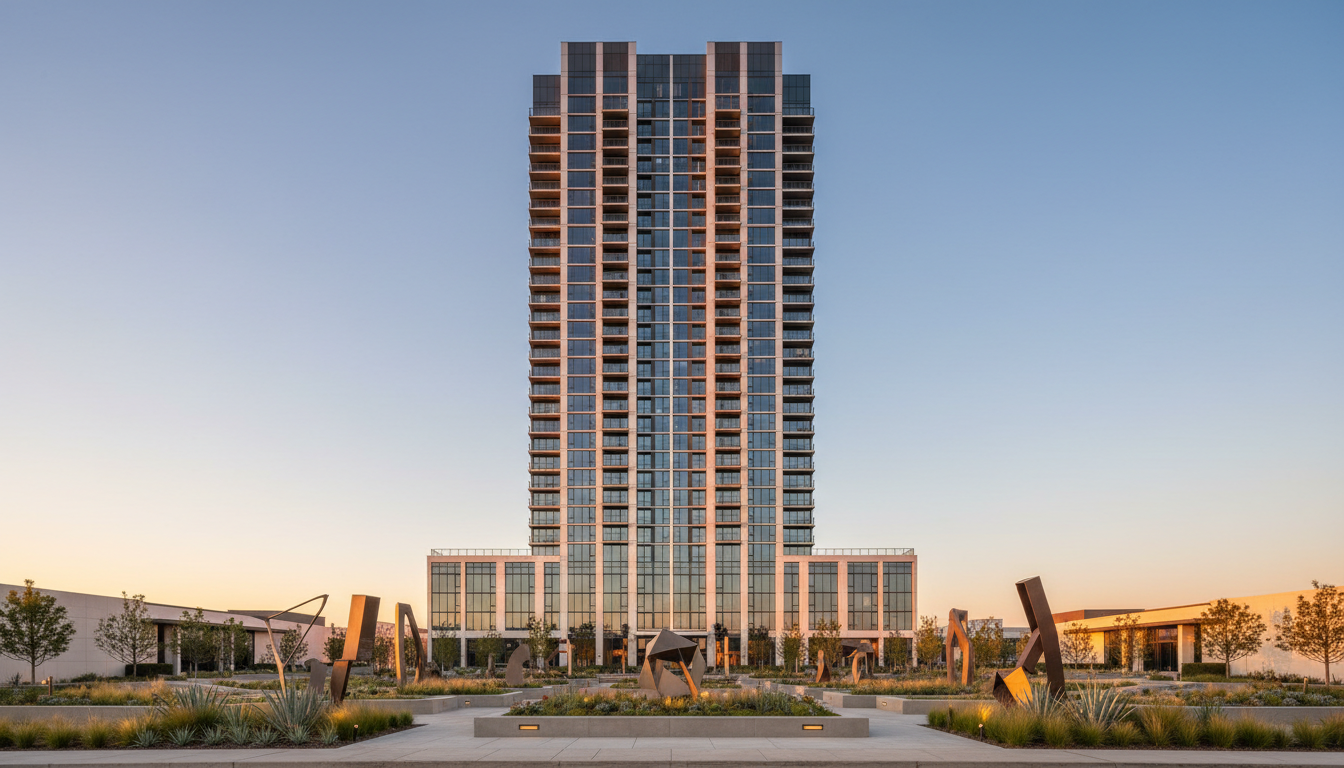
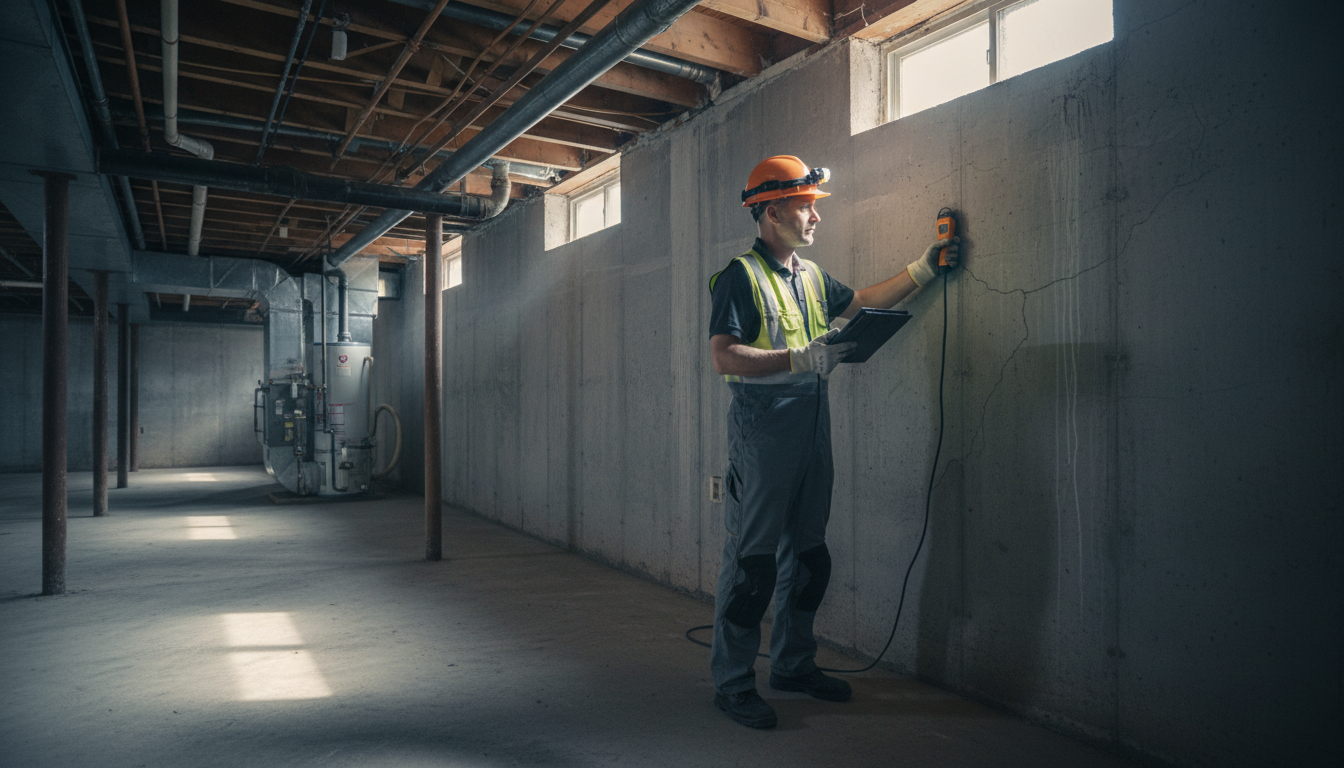
Several high-rise buildings in Walton County have implemented AI Structural Vision with remarkable results. The technology has been instrumental in identifying micro-cracks and other subtle signs of wear that traditional inspections might miss.
For instance, a high-rise on the waterfront, frequently exposed to harsh weather, showed early signs of corrosion. Thanks to AI analysis, timely interventions were made to reinforce the structure, ensuring continued safety for residents.
Challenges and Solutions
While AI Structural Vision offers numerous advantages, its implementation does come with challenges. Initial costs and the need for specialized equipment can be barriers for some developers. However, the long-term savings and enhanced safety provide a compelling argument for its adoption.
Training personnel to use AI tools effectively is another challenge. In Walton County, a comprehensive training program was developed, ensuring that both engineers and maintenance staff could leverage the technology effectively.
Future Prospects
The success of AI Structural Vision in Walton County sets a promising precedent for other regions. As AI technology continues to advance, its applications in structural engineering are expected to grow, offering even more sophisticated tools for building maintenance and safety.
Future developments may include real-time monitoring systems that provide continuous feedback on structural health, further enhancing the ability to prevent failures and extend the lifespan of high-rise buildings.
Conclusion
AI Structural Vision has proven to be a transformative tool for high-rise maintenance in Walton County. By embracing this technology, developers and engineers can ensure safer, more resilient buildings.
As the technology evolves, its impact will likely expand, offering new opportunities to enhance the safety and longevity of structures worldwide.