
Comprehensive Guide to AI-Powered Structural Assessments for High-Rise Buildings


Introduction to AI-Powered Structural Assessments
The evolution of technology has brought about significant advancements in the field of structural engineering, particularly for high-rise buildings. One of the most groundbreaking innovations is the use of AI-powered structural assessments. These assessments leverage artificial intelligence to enhance the accuracy and efficiency of evaluating the integrity and safety of tall structures.
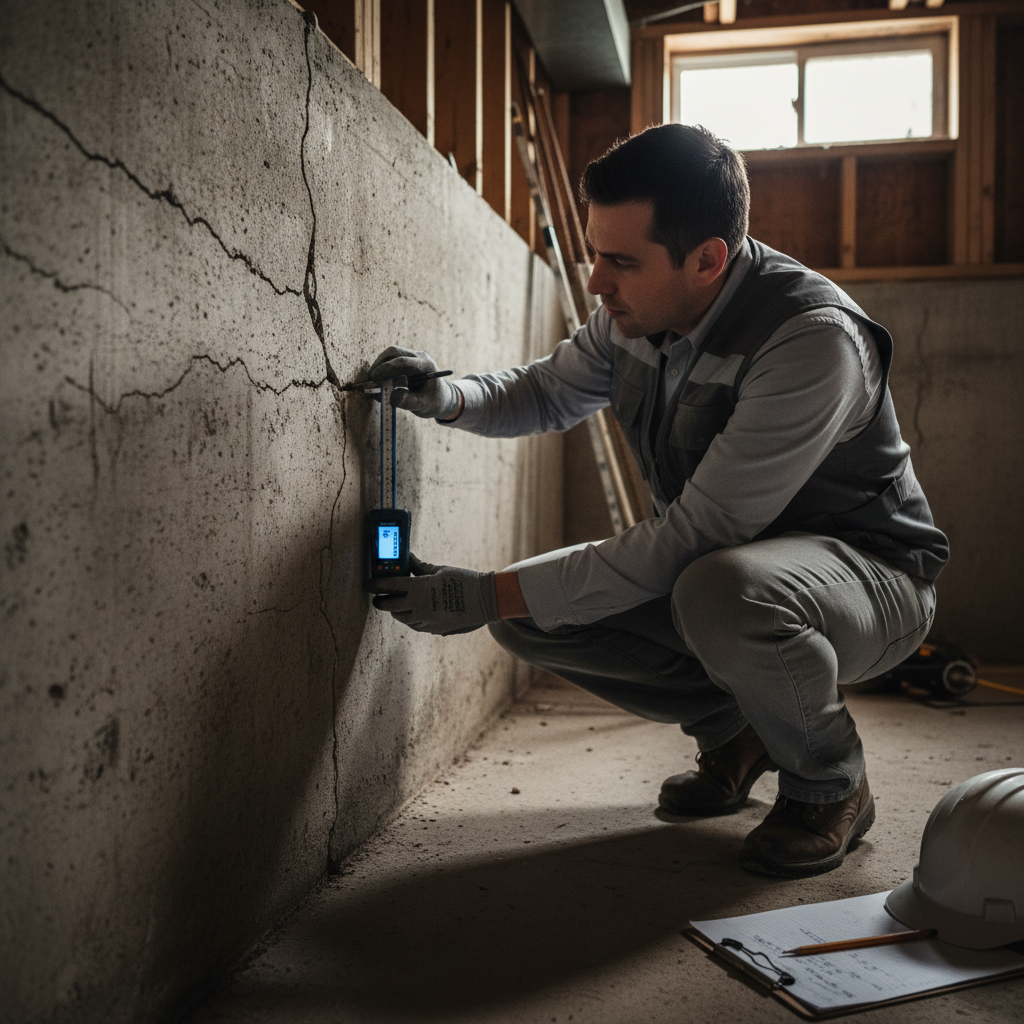
How AI Enhances Structural Assessments
AI technologies employ machine learning algorithms to analyze vast amounts of data collected from various sensors and predictive models. This capability allows for the identification of potential structural issues that might not be apparent through traditional methods. By using AI, engineers can predict potential failures, optimize maintenance schedules, and ultimately extend the lifespan of buildings.
Real-Time Monitoring
One of the key benefits of AI-powered assessments is real-time monitoring. Sensors embedded in the building collect data continuously, which is then analyzed by AI systems to detect anomalies. This proactive approach helps in identifying issues before they become critical, ensuring the safety of the building's occupants.

Data Collection and Analysis
The process of AI-powered structural assessment begins with comprehensive data collection. Various types of sensors, such as accelerometers and strain gauges, are used to gather data on the building's performance. AI systems then process this data to provide insights into the structural health of the building.
Predictive Maintenance
AI-powered assessments facilitate predictive maintenance by using data to forecast when and where maintenance is needed. This reduces unnecessary repairs and helps allocate resources more efficiently, saving time and money for building owners and operators.

Case Studies and Success Stories
Numerous high-rise buildings worldwide have successfully implemented AI-powered structural assessments. For instance, some skyscrapers in major cities have reported enhanced safety and reduced maintenance costs after adopting AI technologies. These success stories illustrate the transformative impact of AI on the construction and maintenance industries.
Challenges and Considerations
While AI-powered structural assessments offer many benefits, there are also challenges to consider. These include the initial cost of implementation, the need for skilled personnel to manage AI systems, and data privacy concerns. Addressing these challenges is crucial for the widespread adoption of AI in structural assessments.
The Future of AI in Structural Engineering
As AI technology continues to evolve, its applications in structural engineering are expected to expand. Future developments may include more advanced predictive models, enhanced data integration capabilities, and broader accessibility for buildings of all sizes. The future of AI in structural assessments promises to make our cities safer and more resilient.

In conclusion, AI-powered structural assessments are revolutionizing the way we maintain and ensure the safety of high-rise buildings. By integrating advanced technology into traditional practices, we can achieve a new level of precision and reliability in structural engineering.