
Creating Digital Twins: How AI Transforms Building Assessments


Understanding Digital Twins
The concept of digital twins is revolutionizing how we approach building assessments. A digital twin is a virtual replica of a physical object or system, created using real-time data and advanced simulations. This technology allows for a comprehensive view of a building's operations and performance, providing insights that were previously impossible to obtain.
By leveraging digital twins, stakeholders can visualize, analyze, and predict the future performance of their buildings. This not only enhances operational efficiency but also facilitates proactive maintenance and informed decision-making.

The Role of AI in Creating Digital Twins
Artificial Intelligence (AI) plays a pivotal role in the creation and functionality of digital twins. AI algorithms process vast amounts of data collected from sensors and IoT devices within a building. This data is then used to create accurate models that simulate the building's behavior under various conditions.
AI enhances the predictive capabilities of digital twins by identifying patterns and anomalies. This predictive power is crucial for anticipating maintenance needs, optimizing energy use, and ensuring occupant safety and comfort.
Data Collection and Integration
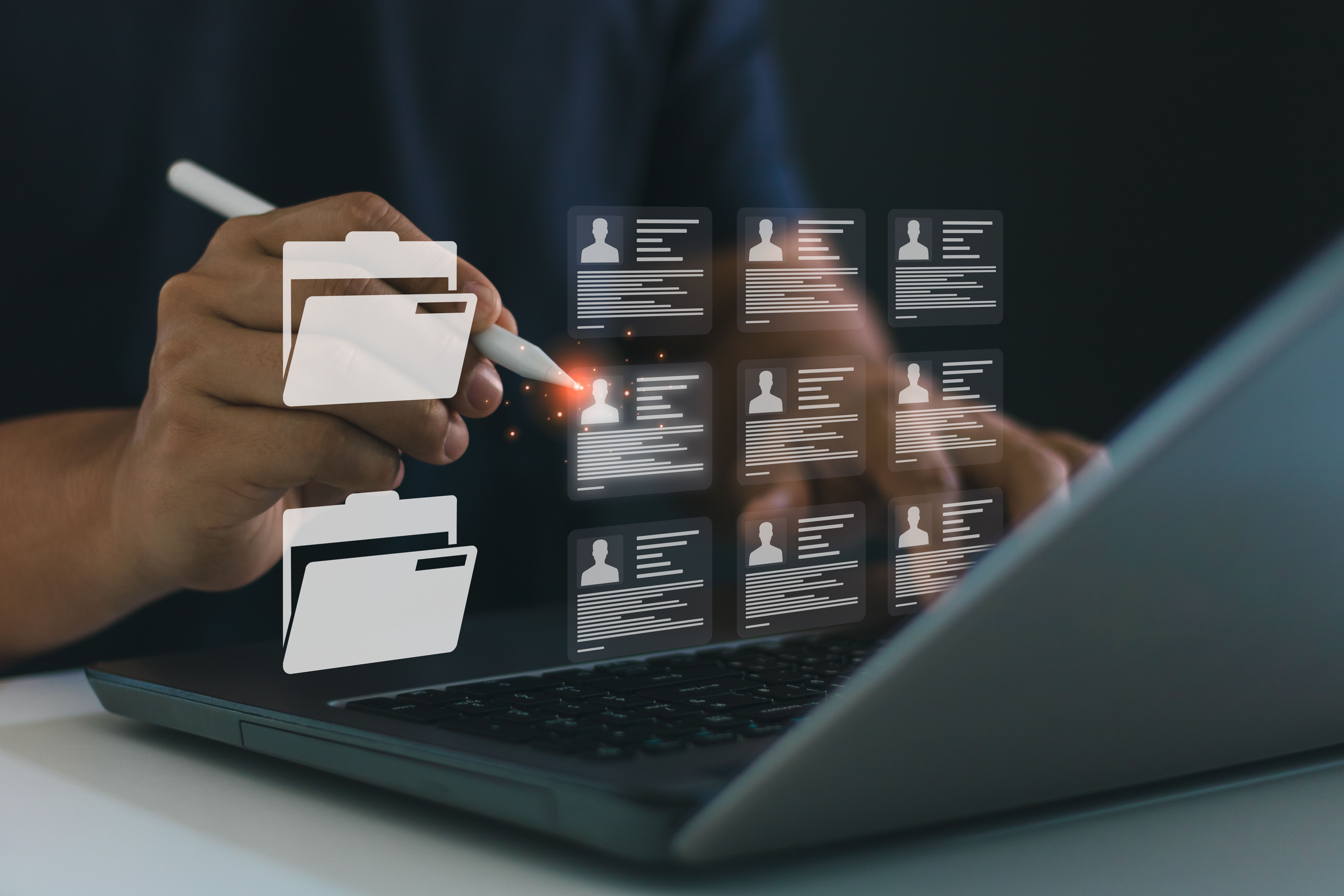
The first step in creating a digital twin is gathering data from multiple sources. Sensors throughout the building collect information on temperature, humidity, energy consumption, and more. AI systems integrate this data, ensuring it is accurately reflected in the digital model.
Simulation and Analysis
Once the digital twin is created, AI-driven simulations allow stakeholders to test various scenarios. For example, how would a change in HVAC settings impact energy consumption? What are the potential effects of different weather conditions on building performance?
These simulations provide valuable insights, enabling building managers to make data-driven decisions that enhance efficiency and sustainability.
Benefits of AI-Enhanced Digital Twins
The integration of AI with digital twins offers numerous benefits. Here are some key advantages:
- Improved Efficiency: By simulating different scenarios, building managers can identify and implement strategies that optimize operations.
- Cost Savings: Proactive maintenance and efficient resource management reduce operational costs.
- Enhanced Safety: Predictive analysis helps identify potential safety hazards before they become critical.
Challenges and Considerations
Despite the advantages, there are challenges to consider when implementing digital twins. Data privacy and security are paramount, as sensitive information is collected and processed. Ensuring the accuracy of data and simulations is also crucial for effective decision-making.
Moreover, the initial setup of digital twins can be resource-intensive, requiring investment in technology and expertise. However, the long-term benefits often outweigh these initial challenges.
The Future of Building Assessments
As AI and digital twin technology continue to evolve, the future of building assessments looks promising. We can expect more seamless integration of these technologies, leading to even greater insights and efficiencies.
Digital twins are set to become an integral part of smart building management, offering solutions that are both innovative and sustainable. Stakeholders who embrace these advancements are likely to stay ahead in the rapidly changing landscape of building management.